

Many people experience changes in their sight over time, from mild blurriness to more noticeable issues with glare. When these visual changes stem from a thinning and outward bulging of the eye’s clear front surface, the diagnosis might be keratoconus. Receiving this diagnosis naturally brings up questions about what to expect next and how to move forward.
Keratoconus isn’t entirely curable, but specialized eye care can help manage the condition and protect your vision. Proper care options allow you to see clearly and maintain a normal daily routine.
What Is Keratoconus?
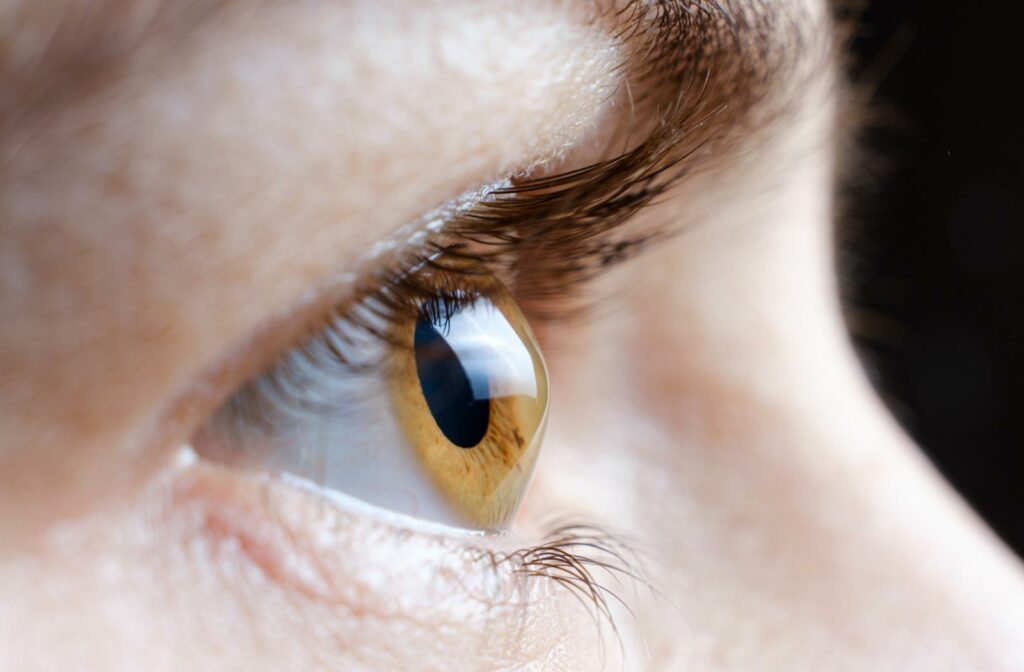
The clear front part of your eye normally has a round shape like a baseball. Keratoconus happens when this clear dome becomes thin over time and bulges outward into a cone shape.
This change alters how incoming light hits your eye, preventing light from focusing properly on the retina at the back of the eye. You end up with distorted images instead of a clear picture of the world around you.
This condition often starts to show signs early in life. Symptoms usually begin between ages 10 and 30, and you might notice these changes gradually over several years.
Family history plays a large role in your risk. Frequent eye rubbing also weakens the delicate eye structure over time. A family history combined with harsh eye rubbing can accelerate the shape changes in your eye.
Common Symptoms and Signs to Look For
You might experience several subtle changes before realizing your vision has changed. These signs often mimic ordinary eye fatigue at first. Keep a close watch for these specific vision issues:
- Mild blurry or distorted vision
- Increased sensitivity to bright light and glare
- Frequent changes in your glasses prescription
Living a Normal Life with Keratoconus
You can easily maintain an active lifestyle after receiving a diagnosis. Routine eye exams keep your vision on track year after year. Let your optometrist monitor your specific eye shape and adjust your care plan accordingly.
Proper care and regular checkups help maintain your daily vision. Most people maintain clear sight with proactive habits and the right vision tools. You can still drive to work and read your favorite books comfortably.
Habits To Protect Your Eyes
Small daily habits make a big difference in your eye health. Avoid rubbing your eyes to prevent further structural damage. Apply a gentle cool compress to find relief if your eyes feel uncomfortable.
Protect your sight outdoors by wearing sunglasses to block bright ultraviolet light. Good sunglasses also reduce the harsh glare that irritates sensitive eyes. You can use lubricating drops to relieve dry irritation throughout your busy day.
Ways To Correct Your Vision
Glasses work well during the early stages of the condition. They help focus light correctly when the structural changes remain mild. You might find that standard glasses solve your blurry vision completely at first.
Significant shape changes eventually require different vision tools. The cone shape creates complex curves that flat lenses cannot fully address. Standard soft contact lenses might also become uncomfortable as they drape over the irregular surface.
Talk to your eye care team about these specialized lenses to help improve your visual clarity:
- Rigid gas permeable lenses: These lenses help shape incoming light by creating a new smooth surface to mask the irregular cone shape underneath.
- Scleral lenses: These large lenses rest directly on the white part of your eye comfortably and vault right over the sensitive cone to provide crisp vision without irritation.
- Hybrid lenses: These combine rigid centers for clarity with soft edges for all-day wear.
When To See An Eye Doctor
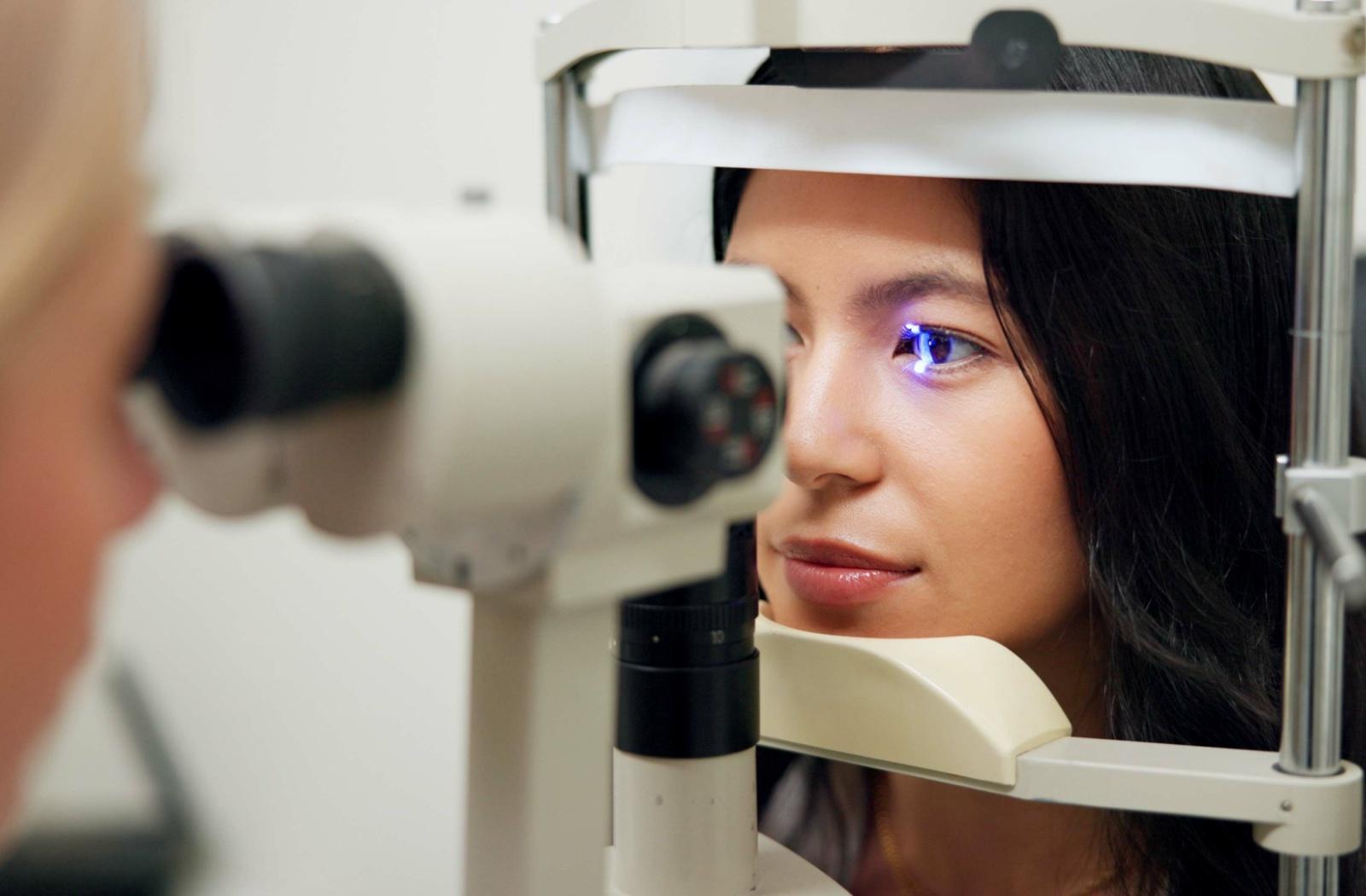
Visit an eye doctor regularly to protect your long-term sight. Your optometrist can spot subtle vision changes right away during a comprehensive exam. They map the exact curve of your eye to detect tiny variations.
Early intervention helps slow the condition down significantly. Detecting the changes early gives you more options for maintaining clear sight, and consistent monitoring preserves your visual health over time.
Options To Protect Your Vision
Medical options exist that may halt the progression of the cone shape. Your optometrist may recommend these procedures:
- Corneal cross-linking: This procedure uses ultraviolet light and specialized drops to help stiffen the clear front tissue and strengthen the collagen fibers inside your eye.
- Corneal implants: These tiny arcs reshape the eye and may help flatten the steep cornea shape to improve how you see the world.
Take Charge of Your Vision Today
Taking proactive steps today keeps your eyes healthy for years to come. Consistent monitoring preserves your visual health and gives you the tools you need to navigate your daily life comfortably.
The team at Coast Optometry has served the local community for over 50 years. Schedule a comprehensive eye exam with our friendly team and keep your vision clear for years to come.